In a striking display of contradiction, the Petaluma City Council recently proclaimed May as National Historic Preservation Month for the fourth consecutive year—on the very same evening they conducted a workshop to discuss what amounts to demolition of the National Register-eligible 1922 Petaluma and Santa Rosa Railroad trestle. City staff framed the workshop as an opportunity to update the Council on the trestle and gather input on design alternatives, but the underlying reality reveals a troubling disconnect.

The City’s communications about this project reveal a concerning misuse of preservation terminology. The staff report’s subject line labels the project as “rehabilitation,” while the City’s website inconsistently refers to it as both “rehabilitation” and “reconstruction”—terms that carry significantly different meanings in preservation practice.

According to the Secretary of the Interior’s Standards for Treatment of Historic Properties, rehabilitation preserves a property’s historic character while enabling new uses through repairs, alterations, and additions, while retaining portions or features that convey its historical, cultural, or architectural values. By contrast, reconstruction involves new construction replicating the appearance of a non-surviving historic resource.
This distinction is critical. In 2013, consultants hired by the City proposed a genuine rehabilitation plan for the trestle. Despite the development of complete plans, specifications, an interpretive program, and cost estimates, the Council did not take action.
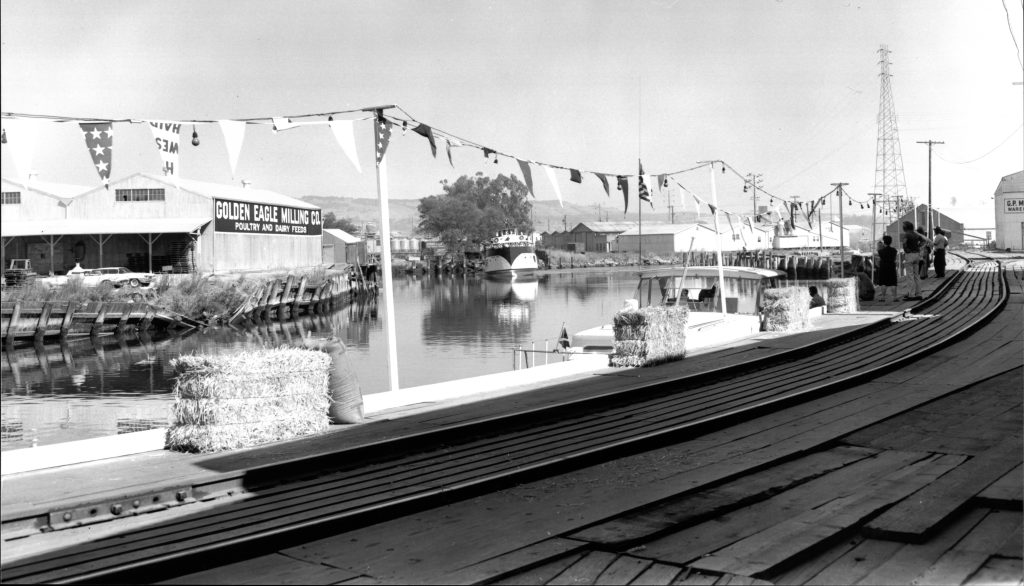

Twelve years and hundreds of thousands of dollars in additional studies later, officials have abandoned rehabilitation entirely. Instead, they propose reconstruction—a process that would completely demolish the original historic trestle and replace it with a modern approximation.
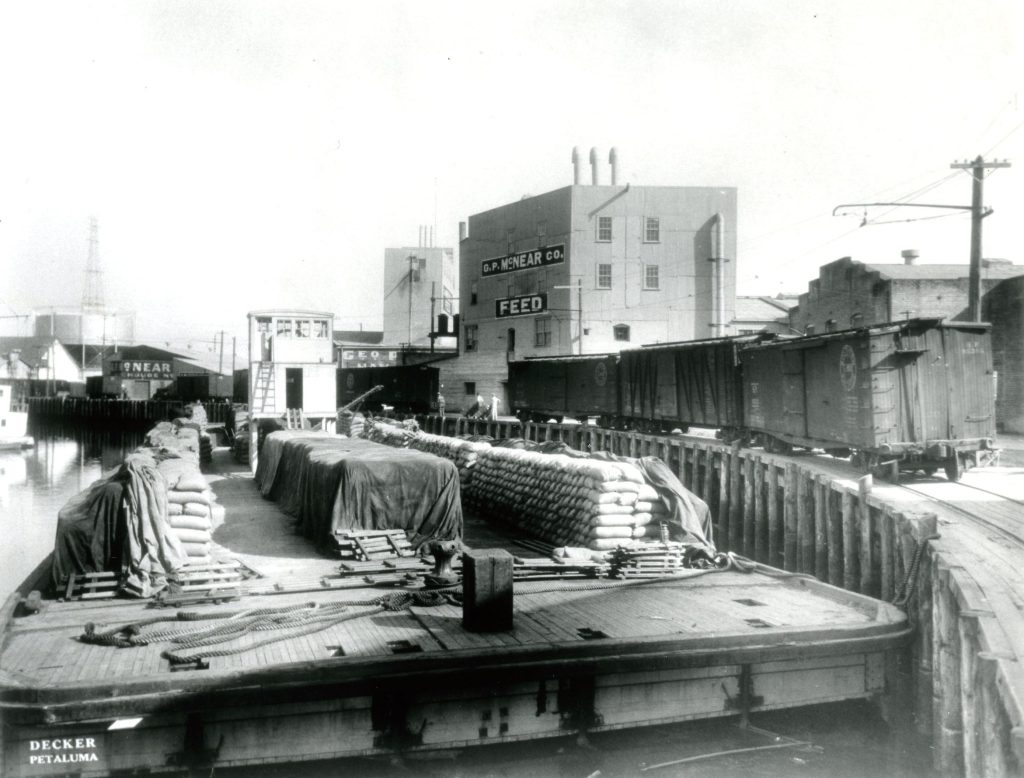
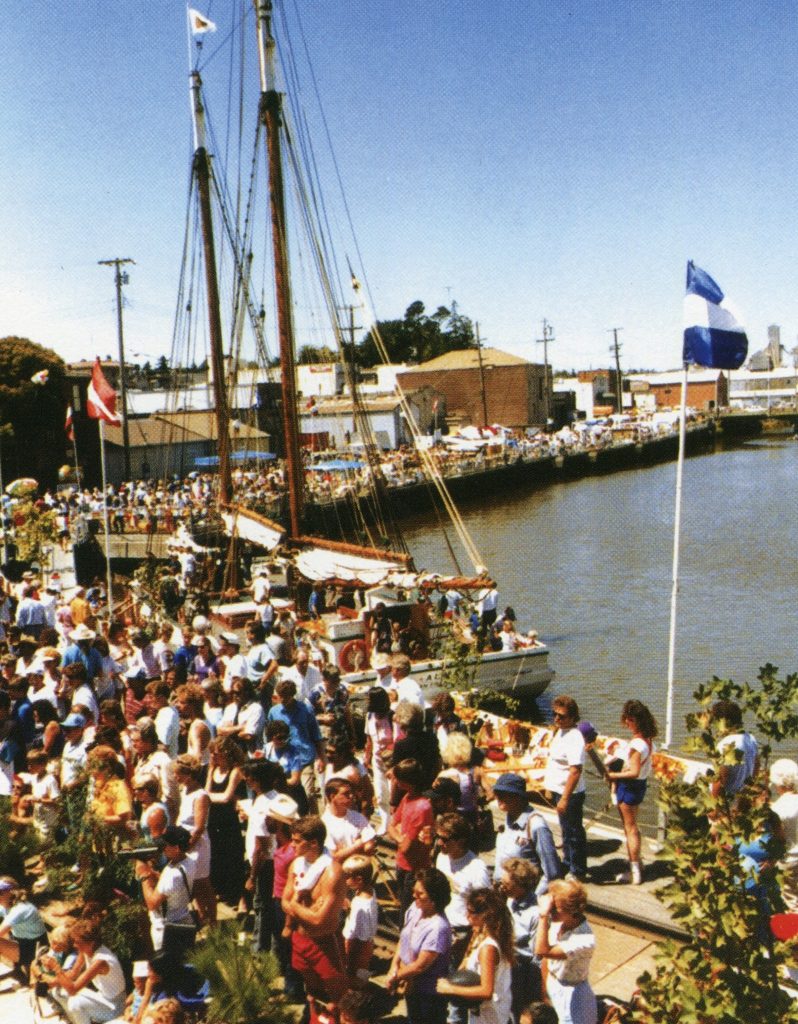
This approach represents more than the loss of a unique historic resource. The trestle stands as physical evidence of Petaluma’s development as a regional commercial and agricultural hub—a structure that played a vital role in the city’s prosperity and growth throughout the 20th century. Its destruction would erase an irreplaceable piece of Petaluma’s heritage.
From an environmental perspective, it’s widely recognized that the greenest structure is one that already exists. Constructing something new requires energy, while preserving existing structures conserves resources.
True historic preservation serves both cultural and environmental sustainability. Demolition—regardless of what replaces it—accomplishes neither.
 Elm Court Sign: A Hidden Treasure on Petaluma Boulevard North